Wake Up Call: The Grubs are Already Here
Spring is officially arriving in the Twin Cities, but as the frost leaves the ground, some unwelcome guests are waking up. We’ve recently confirmed
active grub activity in the St. Louis Park area, and if you aren’t careful, these pests can wreck your lawn before the first mow.
Why are they active now?
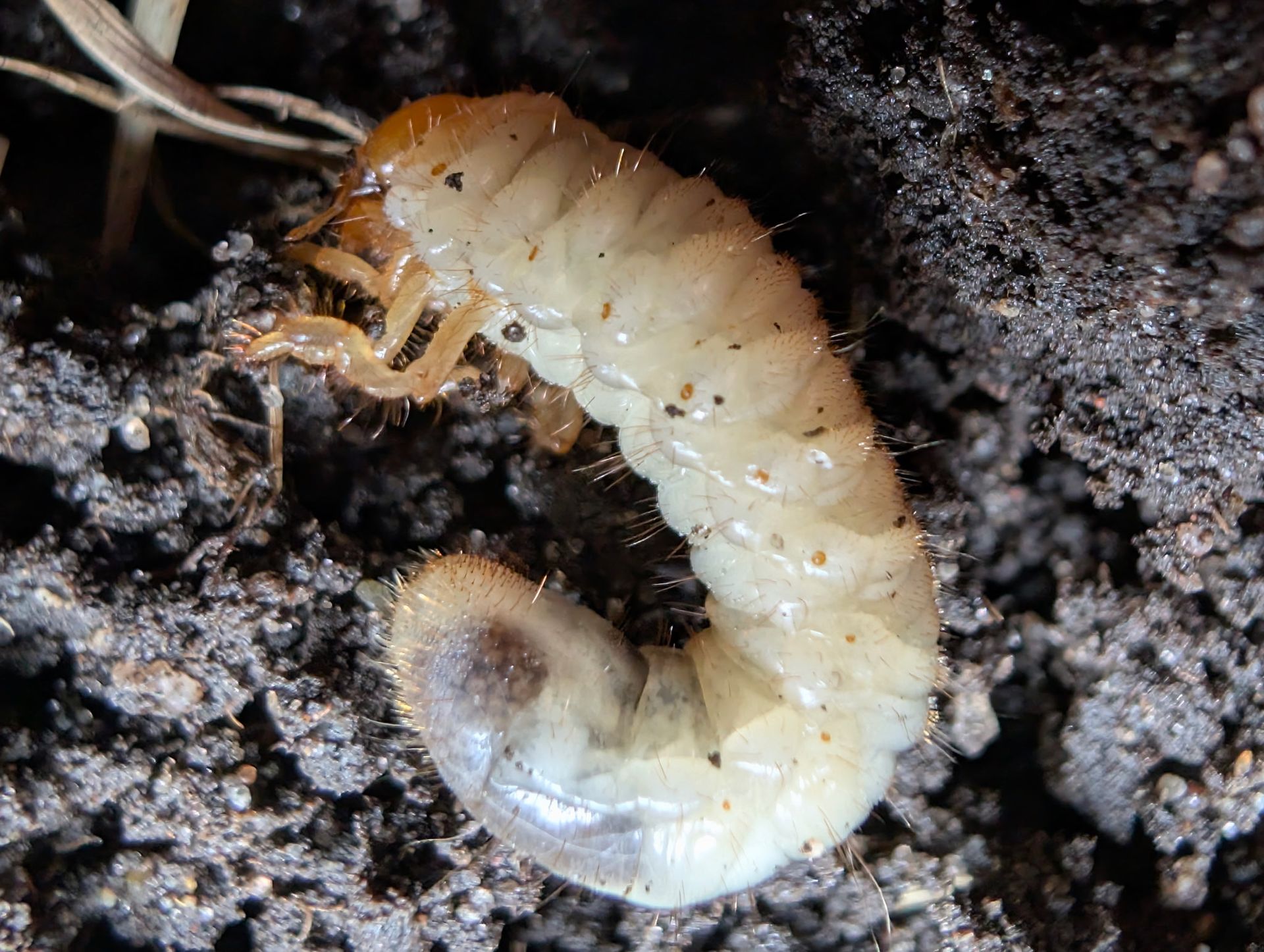
Grubs spend the winter deep in the soil to stay below the frost line. As soil temperatures climb into the 50s, they migrate back up to the surface. These are the larvae of Japanese Beetles and June Bugs, and they are currently at their largest size. They are hungry, and their favorite meal is the tender root system of your waking grass.
How to tell if you have a problem
Since you can't see what's happening underground, look for these three "Red Flags" in your yard right now:
- The "Carpet" Test: If you see a brown patch, try to pull it up. If it lifts easily like a piece of loose carpet with no roots attached, grubs have likely already eaten the "anchor" system.
- Spongy Turf: Walking on a grub-infested lawn feels like walking on a sponge or a memory foam mattress.
- Unusual Bird or Animal Activity: If crows, skunks, or raccoons are suddenly "mining" your lawn, they aren't just looking for worms—they are hunting for a high-protein grub snack.
The April Treatment Strategy
In the lawn care world, timing is everything. Most "preventative" products bought at big-box stores won't work on these large, mature grubs active in April.
- Now (Curative): If you have an active infestation (more than 5–10 grubs per square foot), you need a
curative treatment to stop the feeding immediately.
- Late Spring (Preventative): We typically follow up with a systemic preventative in May to ensure the next generation of eggs doesn't survive.
Don’t Wait Until June
By the time the beetles emerge in June, the damage to your root system is already done. If you’re in St. Louis Park or the surrounding metro and notice your lawn looking a little "loose" this week, give us a call. We’ll get an expert eye on it and make sure your turf has the root system it needs to handle the Minnesota summer.