April 7, 2026
Whats happening right now
Whats happening right now
🌱 Showcase Lawn Update – April 2026
Current Lawn Conditions, What We’re Doing, & What to Expect Next
Last Updated: April 6, 2026
👉 Start Here – Current Lawn Conditions
This is our most up-to-date lawn care update.
We refresh this regularly with what we’re seeing in the field, what we’re doing, and what to expect next—so you always know what’s happening with your lawn.
👋 New This Year – A Better Way to Stay Informed
In the past, we left paper flyers at your door—but most people:
- Miss them
- Throw them away
- Or don’t have them when they need them later
👉 So this year, we created this page.
This is your go-to resource for:
- Current lawn conditions
- What we’re applying and why
- What to expect throughout the season
We’ll keep this updated regularly so you always have the latest information.
📬 Want Details About YOUR Lawn? (Start Here)
This page explains what’s happening across the area.
For details specific to your property, you can access them anytime in two easy ways:
✔️ Check Your Service Email (Sent After Each Visit)
Your email includes:
- Products applied
- Application rates
- Technician notes and observations
- Property-specific recommendations
👉 Search:
Showcase Lawn Care
👉 Check spam/junk if needed
✔️ Log Into Your Account (Use the Green “My Account” Button Above This Page)
At the top of this page, you’ll see a green “My Account” button.
👉 Click that button to go directly to your account.
Inside your account, you can view:
- ✔️ Exactly what was done on your property
- ✔️ Products and application details
- ✔️ Technician notes and comments
- ✔️ Full service history
- ✔️ Recommendations specific to your lawn
👉 You can access this anytime—day or night.
💡 Simple way to think about it:
- This page = What’s happening right now
- Your email or account = What happened at YOUR property
🌡️ What’s Happening Right Now (Early Spring – Minnesota)
We’re beginning Round 1 applications this week across the area.
Current conditions:
- Soil temperatures: low 30s to low 40s
- Lawns: still mostly dormant
- Growth: little to none (for now)
- Early weeds: just starting to wake up
👉 We are right at the front edge of the season, which is exactly when protection needs to begin.
🛡️ What We’re Doing Right Now (Protection Phase)
Even though your lawn isn’t actively growing yet, this is one of the most important applications of the year.
Lawn Applications
- Pre-emergent for crabgrass prevention
Applied early to stay ahead of germination - Controlled-release fertilizer
for steady, healthy growth as the lawn wakes up - Early weed control (limited right now)
stronger results will come as temperatures increase
🛡️ Enhanced Crabgrass Protection (New This Year)
We’ve made an important upgrade to our program this season.
👉 In addition to your Round 1 application, we will apply a booster pre-emergent crabgrass treatment in Round 2.
This allows us to:
- Extend protection deeper into the summer
- Reinforce the barrier as soil temperatures rise
- Improve control during peak germination periods
💡 Instead of relying on a single application, we are layering protection—which provides longer-lasting, more consistent crabgrass control than ever before.
🌿 Mulch & Rock Bed Weed Control (If Selected)
For customers who selected this service:
- Pre-emergent is applied to mulch and rock beds
- Provides up to ~4 months of protection
- Prevents weeds before they start
👉 Same concept as the lawn:
protect early, maintain all season
⚠️ Weeds will start soon, This Is Normal
If you’re seeing weeds before we get back to you, don’t worry—this is expected.
These weeds:
- Survived from last season
- Overwintered in your lawn
- Are now growing as temperatures rise
Common examples:
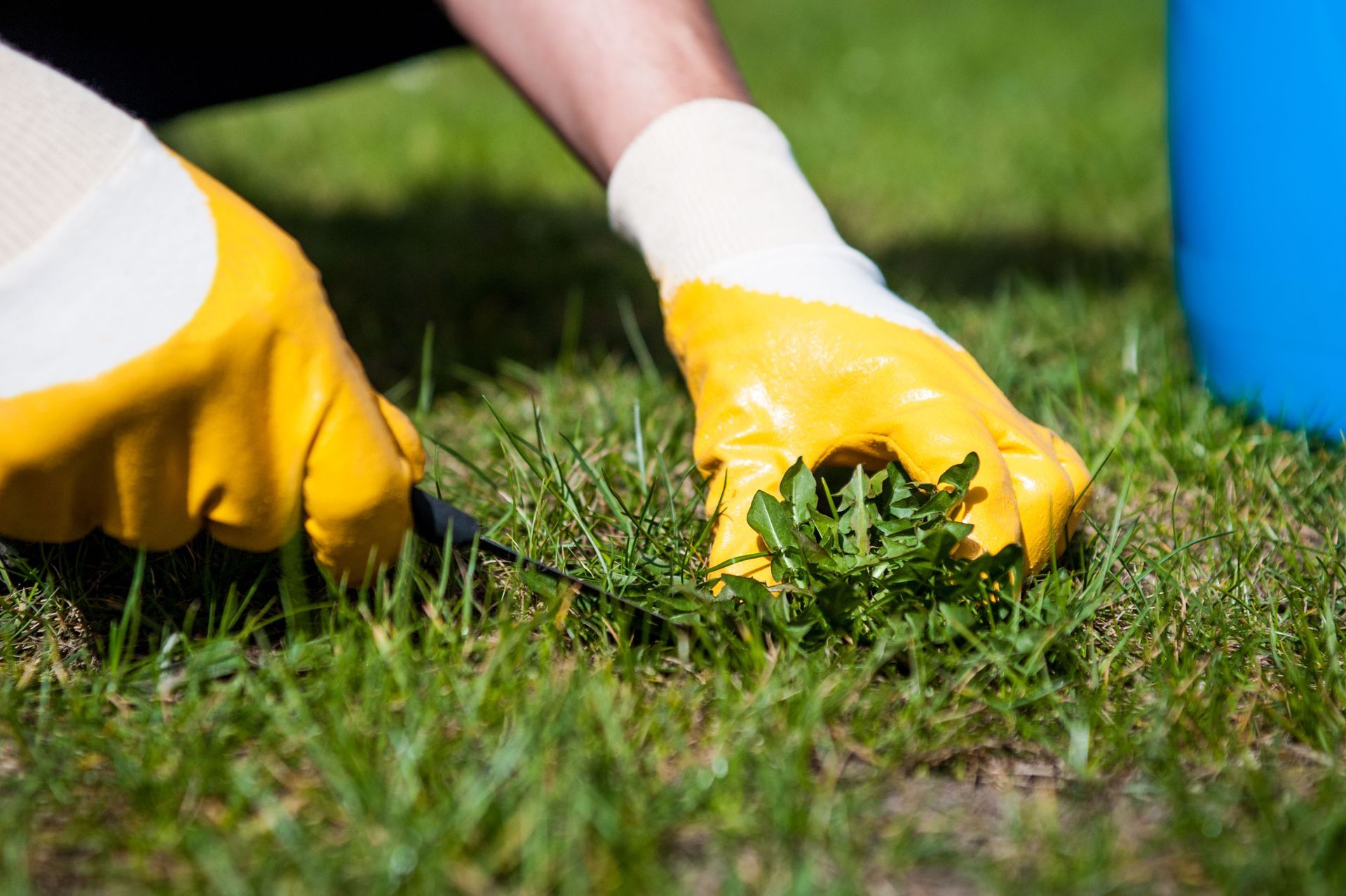
- Dandelions
- Creeping Charlie
- Wild violet
👉 This is not caused by anything happening right now
💡 These will be controlled more effectively as temperatures increase—especially in Round 2.
✂️ Mowing Guidance
- You can mow anytime after your application
- Most lawns don’t need mowing yet
- Start mowing around 3–3.5 inches
- Never remove more than 1/3 of the blade
- Leave clippings to feed the lawn
🌧️ Rain & Post-Application Instructions
Good news—rain will not negatively impact this application.
- Normal rainfall will help move nutrients into the soil
- Your application will continue working as intended
After Your Application:
- Wait at least 4 hours before mowing
- Then resume normal mowing
For the First Two Mows:
👉 Leave the clippings on the lawn
This helps:
- Return nutrients back into the soil
- Support early-season growth
- Improve overall lawn health
💧 Watering Guidance
Right now, watering is not needed.
- Spring moisture is typically enough
- Overwatering early can slow root development
We’ll guide you when watering becomes important later in the season.
🐛 Insects & Disease
Right now:
- Grubs are inactive
- Disease pressure is very low
We’ll monitor conditions and apply treatments at the proper time later in the season.
📈 What Happens Next
As temperatures increase:
- Lawn begins to green up
- Growth starts to increase
- Some weeds become more visible
👉 Then with Round 2:
- Weed control becomes much more effective
- Lawn response improves quickly
- Results become more noticeable
💬 Our Approach (Why This Works)
We don’t just show up and spray.
We:
- Time applications based on Minnesota conditions
- Focus on proper timing—not rushing the season
- Build results over the entire year
That’s how you get a lawn that improves season after season.
🧠 What We’ve Been Working On (Behind the Scenes)
Over the winter, we focused on improving how we serve you.
We’ve been:
- Training and continuing education
- Refining our application processes
- Improving office systems for better efficiency
The goal is simple:
👉
better results and a smoother experience for you
💬 Faster, More Convenient Communication
We’ve also added a virtual assistant to improve responsiveness.
This allows you to:
- Ask questions in the evenings or weekends
- Get help during the spring rush
- Receive faster responses without waiting
Our office team is still here—this simply helps us:
👉
serve you faster and more efficiently
📣 If You Like What You’re Seeing
If you’re happy with your lawn:
👉 Tell your neighbors
When a neighbor signs up for a full program, you’ll receive a $75 credit toward future services as our way of saying thank you.
And if you’re not a fan of your neighbors…
…feel free to let them stick with the national companies.
🔄 Check Back for Updates
We’ll continue updating this page with:
- Current conditions
- What we’re seeing in the field
- What to expect next
👉 Bookmark this page or scan the QR code anytime to stay up to date.