

No Corporate Games. No Half-Applications. Just Experienced Local Veterans Treating Your Yard and Your Wallet with Absolute Respect

Let's go over how a lawn fertilizing company can improve your lawn. Don't wait to get in touch with our reliable team today!
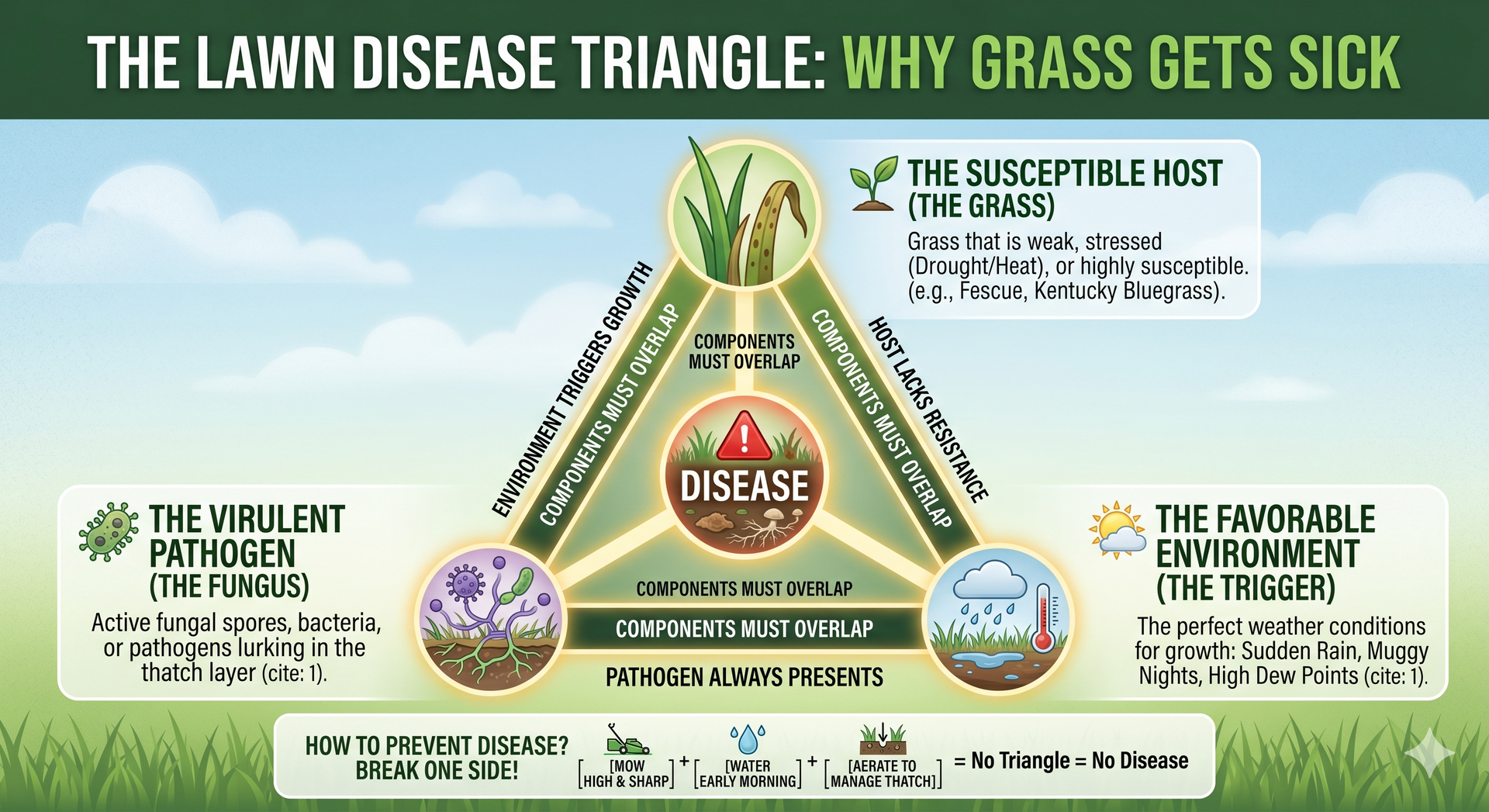
Ascochyta Leaf Blight Guide Twin Cities Lawn Care Tips Did your Minneapolis-St. Paul lawn turn bleached-white overnight? Learn how overnight watering triggers Ascochyta Leaf Blight, and how fungicides can help. Why is My Grass Turning Bleached-White? Guide to Ascochyta Leaf Blight It happens every summer across the Minneapolis-St. Paul metro area. You look at your yard one evening, and it's perfectly green. You wake up a day or two later, and huge patches of your turf look completely bleached, straw-colored, and dead. If this sounds familiar, your yard is likely dealing with Ascochyta Leaf Blight . This aggressive fungal disease moves with terrifying speed, often leading homeowners to assume a chemical spill or severe drought has ruined their property. The good news? While Ascochyta looks devastating, it rarely kills the grass roots. Here is exactly what causes this common Minnesota lawn disease, why your watering habits might be triggering it, and how to protect your lawn's appearance. What is Happening? How to Identify Ascochyta Ascochyta Leaf Blight primarily attacks cool-season turf, making Kentucky Bluegrass lawns in the Twin Cities suburbs a prime target. Because it mimics other turf issues, you have to look closely at the individual blades of grass to properly diagnose it. The Bleached Blade Tip: Unlike other fungi that create small spots, Ascochyta causes the grass blade to die from the tip downward. The affected area turns a clean, uniform straw-white or bleached color. The Pinched Boundary: If you examine a single blade, you will see a distinct, dark brown or purple border separating the dead, bleached top from the healthy green bottom. Large, Uniform Swaths: From a distance, Ascochyta looks like large, irregular patches of dead grass. You will often see clean-cut wheel tracks where a lawnmower ran over the grass, because the physical stress of the tires helps spread the spores. Why It’s Happening: The Primary Causes The Ascochyta fungus lives naturally in the thatch layer of almost every Minnesota yard. It sits dormant until a very specific combination of severe heat stress and moisture triggers an outbreak. The Overnight Watering Trap The single biggest culprit behind an Ascochyta outbreak is overnight watering. Setting your sprinklers to run late at night or in the late evening keeps the grass blades continuously wet for 8 to 12 hours straight into the morning. This prolonged window of leaf wetness creates a literal greenhouse environment for fungal spores to multiply and attack the plant. Extreme Heat and Drought Stress Ascochyta thrives when the lawn is already under severe weather stress. When we hit periods of intense Twin Cities summer heat, the grass weakens. If that heat stress is combined with grass blades that stay wet all night, the disease quickly takes over and bleaches the yard. Mechanical Stress (Dull Mower Blades) When you mow your lawn with a dull blade, it doesn't cleanly slice the grass; it tears it. Tearing leaves a frayed, ragged edge on the tip of the grass blade, creating an open wound that airborne Ascochyta spores can easily enter. The Remedies: How to Correct Your Watering and Help the Lawn Recover Because Ascochyta only damages the upper foliage of the plant and leaves the crown and roots unharmed, it will eventually outgrow the damage naturally. However, turning things around requires adjusting your routine immediately. 1. Stop the Night Cycles & Switch to Early Mornings Break the cycle of constant nighttime moisture. Shift your primary watering schedule to the early morning hours (between 4:00 AM and 8:00 AM). This allows the rising sun to quickly dry the grass blades while ensuring the water deeply penetrates the root zone. 2. Use Short "Cooling Cycles" on Very Hot Days When a major heatwave hits the Twin Cities, the soil temperature can skyrocket, placing immense stress on cool-season grass. On these extremely hot days, run short, quick cycle times right during the heat of the day . Running your sprinklers for just a few minutes in the early afternoon cools the soil down and relieves heat and drought stress. The key is to water just enough to lower the temperature, but not so much that the turf stays wet for a prolonged period. 3. Sharpen Your Mower Blades Immediately Step one to recovery is to stop wounding your turf. Sharpen your mower blades at least twice a year. A clean cut allows the grass to heal quickly, locking the fungus out. Additionally, avoid mowing your lawn when the grass is wet, as the mower wheels and blades will easily transport the spores to healthy areas of the yard. Persistent Problems? When to Use Professional Fungicides If you have already corrected your watering habits and sharpened your blades but the disease continues to persist, your lawn may be facing a severe infestation or a secondary underlying fungus. Furthermore, many Twin Cities homeowners simply cannot tolerate the unsightly brown and white discoloration while waiting weeks for the turf to naturally grow out. In these cases, professional fungicide applications are a fantastic way to mitigate the problem. Applying a curative fungicide stops the fungal progression in its tracks, protecting the remaining healthy grass blades and giving your lawn the breathing room it needs to heal. When combined with proper watering adjustments, a targeted treatment plan drastically accelerates your yard's return to a lush, uniform green. Let Showcase Lawn Care Protect Your Outdoor Investment Seeing huge sections of your property turn straw-white can be incredibly stressful, and it is easy to misdiagnose Ascochyta for more destructive root-killing diseases like Necrotic Ring Spot. If your yard isn't bouncing back, or if you want a professional application to clear up the discoloration quickly, Showcase Lawn Care is here to help. We provide expert lawn diagnostics, professional-grade fungicide mitigation, and customized care programs throughout the Minneapolis-St. Paul area and surrounding suburbs. Don't let lawn disease ruin your summer view. [ Contact Showcase Lawn Care today for a free estimate www.lawn.pro ] and let our local team get your grass back to green!