Twin Cities Lawn Care Alert: Crabgrass, Snow Mold Recovery, and Summer Prep
Late spring in Minnesota is a critical transition period for your lawn. While we are currently in the thick of broadleaf weed season, the next phase of summer weeds is just around the corner.
Here is what is happening beneath the surface right now, and what our team is doing to keep your lawn thick, green, and weed-free.
1. The Crabgrass Defense: What Soil Temps Are Telling Us
Right now, local soil temperatures are hovering in the
mid-50s. While cool Minnesota nights have temporarily suppressed crabgrass emergence, don’t be fooled—it is lurking just beneath the surface and will begin germinating the moment the ground warms up.
To get ahead of this aggressive summer weed,
we are adding an extra layer of pre-emergent herbicide to our Round 2 applications.
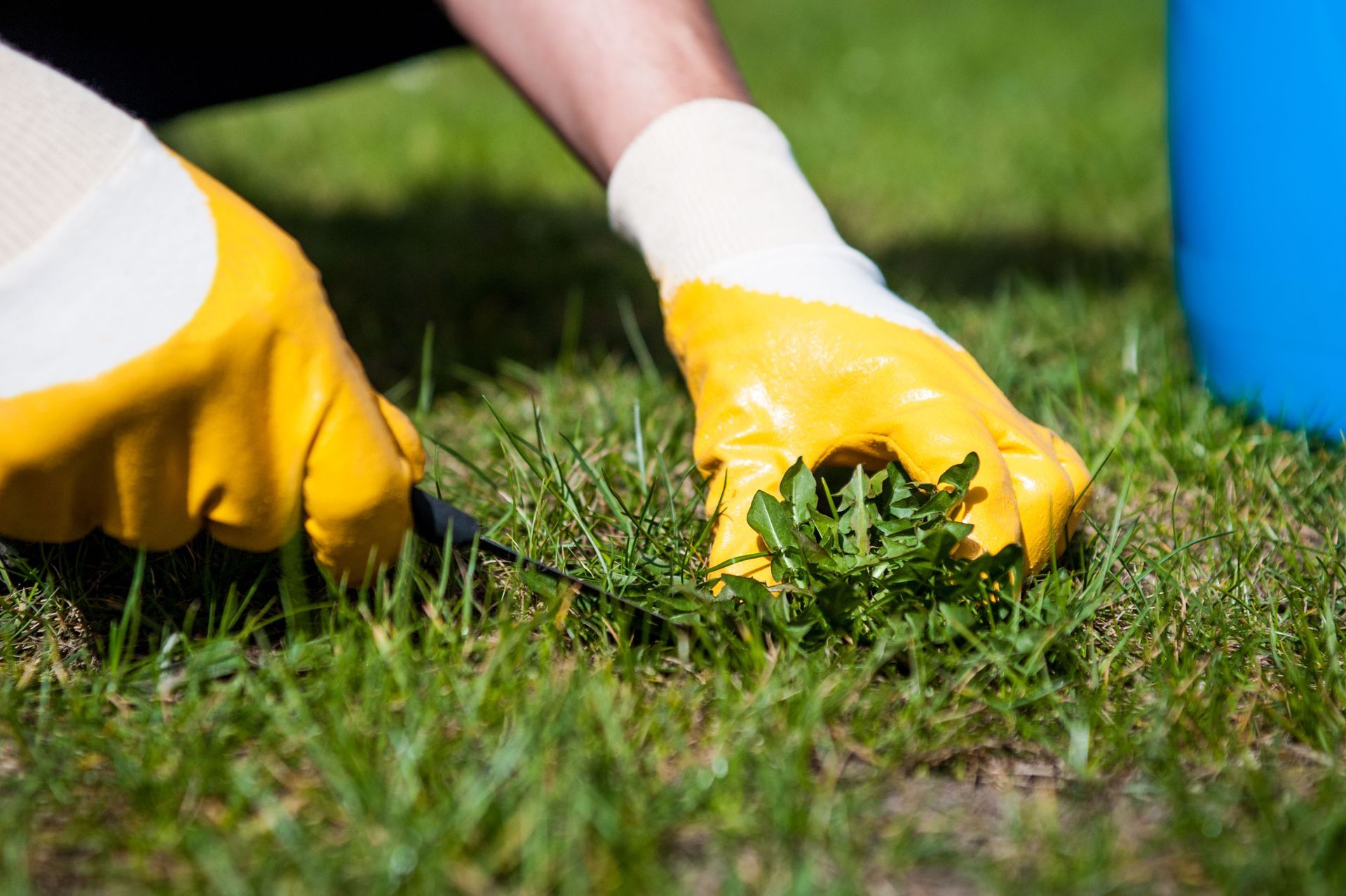
By blanket spraying every lawn for current broadleaf weeds (like dandelions) and applying this secondary round of crabgrass control, we are creating a powerful barrier to protect your turf all summer long. At the same time, we are applying a balanced, slow-release fertilizer to feed your lawn’s root system and maintain a vibrant, healthy green.
2. Dealing with Snow Mold Damage & Spring Seeding
Many local lawns experienced a fair amount of snow mold damage this spring, leaving behind unsightly, whitish patches of dead turf.
If your lawn has these dead areas, they will likely need some patch seeding to recover.
- Pro Tip for Next Year: We offer a specialized
snow mold fungicide application in the late fall. This treatment acts on a preventative basis, protecting your grass blades before the snow flies so you don't have to deal with the damage next spring.
3. High Humidity Means Mosquitoes & Lawn Diseases
Now that we have finally received some consistent spring rain, the moisture combined with rising temperatures creates the perfect breeding ground for both lawn diseases and mosquitoes.
Two critical steps you can take right now to protect your grass blades from fungal invasion include:
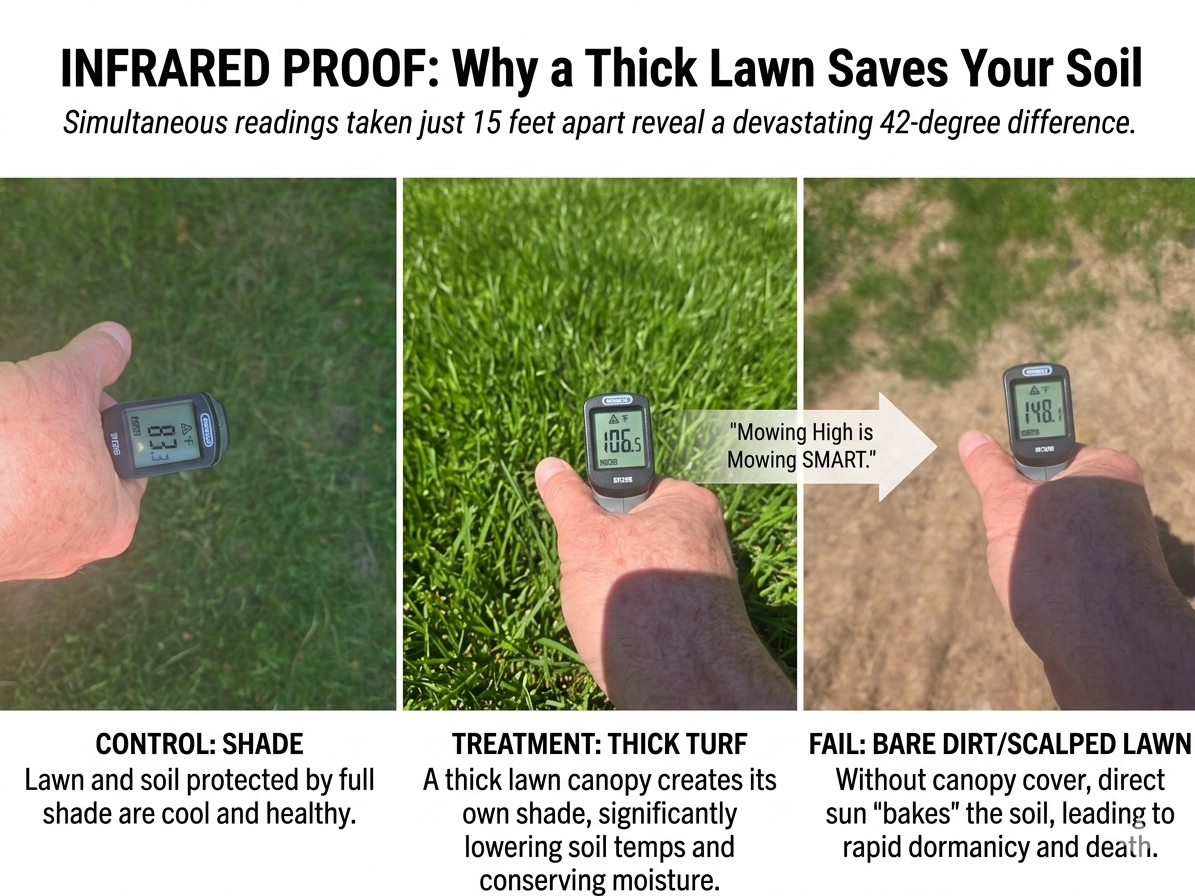
- Raise the Mower Deck: Adjust your mowing height to around
3.5 inches, especially for Kentucky Bluegrass lawns. Taller grass shades the soil, retains moisture, and develops deeper roots.
- Sharpen Your Blades: Keep your mower blades sharp. Dull blades shred the grass instead of cutting it cleanly. Shredded, frayed tips leave the plant vulnerable to opportunistic lawn diseases.
4. There is Still Time for Seeding, Aeration, and Dethatch
If your lawn is suffering from compaction, heavy thatch, or bare spots, the window of opportunity is still open. There is plenty of time left this spring to seed, aerate, and dethatch before the intense summer heat arrives.