March 20, 2026
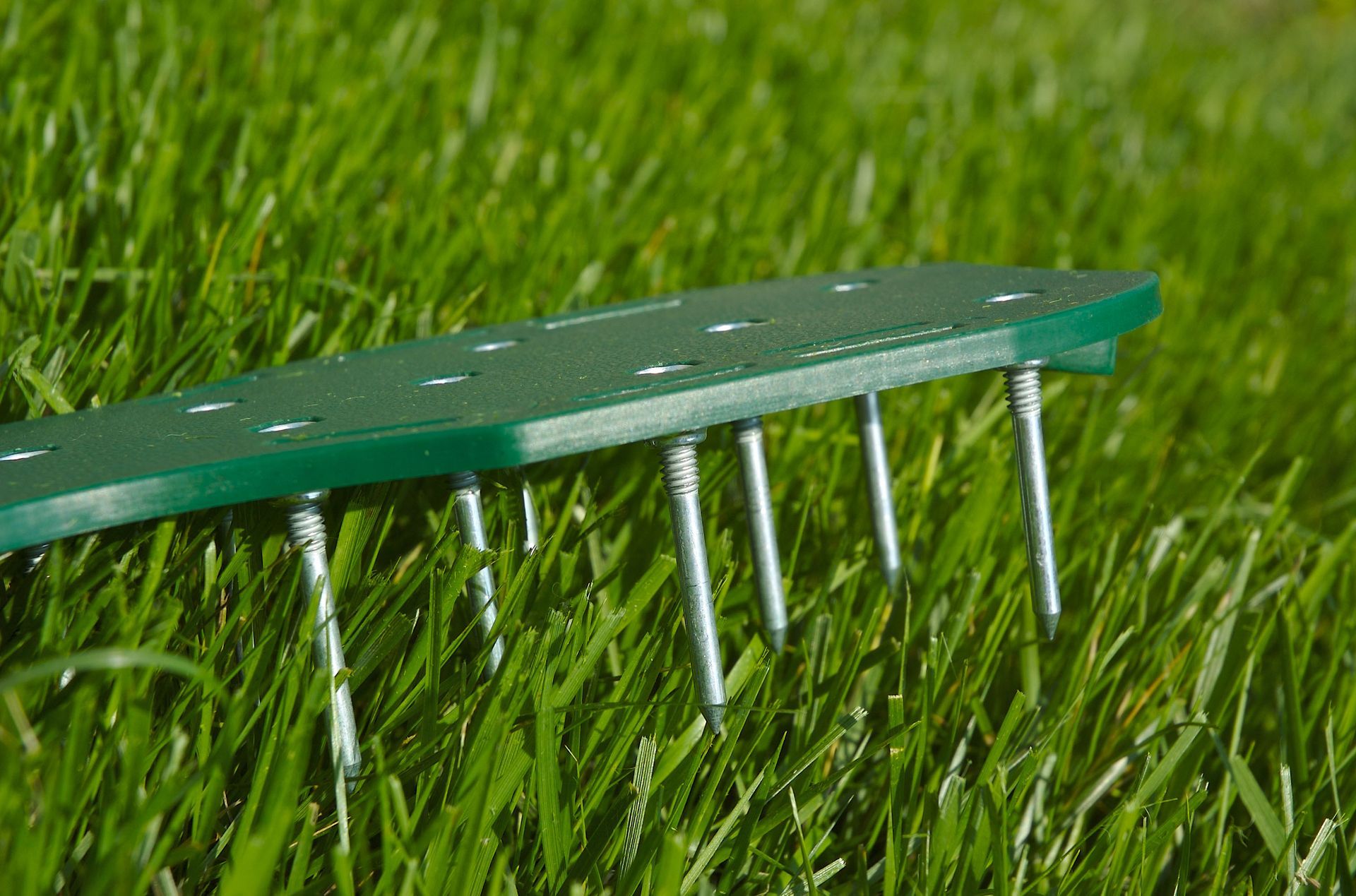
A lush, resilient lawn is often the pride of the neighborhood, serving as a beautiful backdrop for outdoor memories. However, achieving that perfect carpet of green involves more than just regular mowing and watering. Many homeowners find that despite their best efforts, their grass remains thin or discolored. Often, the problem lies beneath the surface in the soil itself. As a critical part of property maintenance, lawn aeration is a process that addresses soil compaction and allows your turf to breathe. This practice involves creating small holes in the soil to ensure that essential elements can reach the root zone. By understanding the mechanics of this process, you can transform a struggling yard into a thriving ecosystem. Addressing common concerns helps homeowners make informed decisions about their landscape’s health, ensuring their outdoor space remains vibrant and healthy throughout the growing season.
1. How can I tell if my yard actually needs it?
Determining whether your soil is too dense often requires a bit of investigation into the root zone. One of the most common signs of compaction is water pooling on the surface after a light rain or the presence of thin, patchy areas where grass refuses to grow. If your lawn feels hard to the touch or if you have difficulty pushing a screwdriver into the ground, it is likely time for a professional intervention. You can also perform a simple physical check to confirm the health of your soil structure. According to Lawn Love, if you dig a one-square-foot section at least 6 inches deep and find grass roots only 1 to 2 inches down, your soil might be compacted and may need aeration. This shallow root growth indicates that the grass is struggling to penetrate the hard earth, making lawn aeration a necessary step to restore the vitality of your landscape.
2. When is the best time of year to schedule this service?
Timing is everything when it comes to yard maintenance, and this process should coincide with the peak growing season of your specific grass type. For cool-season grasses common in many northern regions, the late summer or early fall is the ideal window. During this time, the temperatures are beginning to drop, but the soil is still warm enough to support rapid root growth. This allows the grass to recover quickly from the mechanical process and fill in the open holes before the winter dormancy begins. Conversely, for warm-season grasses, the best time for lawn aeration is in the late spring or early summer when the grass is entering its most vigorous growth phase. By scheduling the service when the grass is actively growing, you ensure that the plants can take full advantage of the newly available oxygen and nutrients, leading to a much faster and more effective recovery period.
3. Should I remove the soil cores left on the grass?
After a professional session, you will notice small cylinders of soil scattered across the surface of your yard. While it might be tempting to rake these up to maintain a tidy appearance, it is actually best to leave them where they fall. These cores are rich in beneficial soil microorganisms that help break down thatch, which is the layer of organic debris that can accumulate between the grass blades and the soil. As the plugs decompose over the next week or two, they return valuable nutrients and organic matter back into the earth. Most homeowners find that the cores disappear after a few mowings or after heavy rain. Leaving them in place enhances the benefits of the lawn aeration process, acting as a natural top-dressing that improves the overall quality and texture of your soil without any additional effort on your part.
4. Is it better to do this myself or hire a professional?
While some homeowners attempt to rent equipment and handle the task themselves, there are significant benefits to hiring an expert. Professional machines are often heavier and more effective at pulling deeper, more consistent cores than the smaller units available at local rental centers. Furthermore, a professional technician understands how to navigate around obstacles like sprinkler heads, underground cables, and invisible fences. Improperly operated machinery can cause damage to your property or result in an uneven application that doesn't fully address the compaction issues. By opting for a professional lawn aeration service, you ensure the job is done safely and thoroughly, providing your grass with the best possible environment for success. Experts can also provide a comprehensive assessment of your soil health, identifying other needs like overseeding or fertilization that can be performed simultaneously for maximum impact.
5. Can I overseed my lawn at the same time?
In fact, performing these two tasks together is one of the most effective ways to thicken a thin lawn. The holes created during the mechanical process provide the perfect "seed-to-soil" contact necessary for successful germination. When you spread seed immediately after lawn aeration, the kernels fall into the protected channels where they are shielded from birds and drying winds. This tucked-away environment provides the moisture and warmth needed for the new grass to take root quickly. Combining these services allows you to introduce newer, more disease-resistant varieties of grass into your existing landscape, resulting in a more resilient and uniform appearance. It is an efficient way to rejuvenate your property, as the new growth will emerge directly from the aerated spots, filling in bare patches and creating a much denser carpet of green that naturally resists weeds and pests.
6. How often should this be a part of my routine?
The frequency of this service depends largely on the soil type and the amount of activity your yard receives. For homes with heavy clay soil or those that experience significant foot traffic from children and pets, an annual session is often recommended to keep compaction at bay. In contrast, lawns with sandy soil or very little activity may only require the service every two to three years. It is important to monitor the health of your grass and the firmness of the ground throughout the seasons. Regular lawn aeration prevents the soil from returning to a concrete-like state, ensuring that your long-term investments in fertilizer and water aren't wasted. Consistency is key to maintaining a high-performing landscape that stays green even during the stress of a hot summer, making this a vital component of any comprehensive property care plan.
7. Will this help with my water drainage issues?
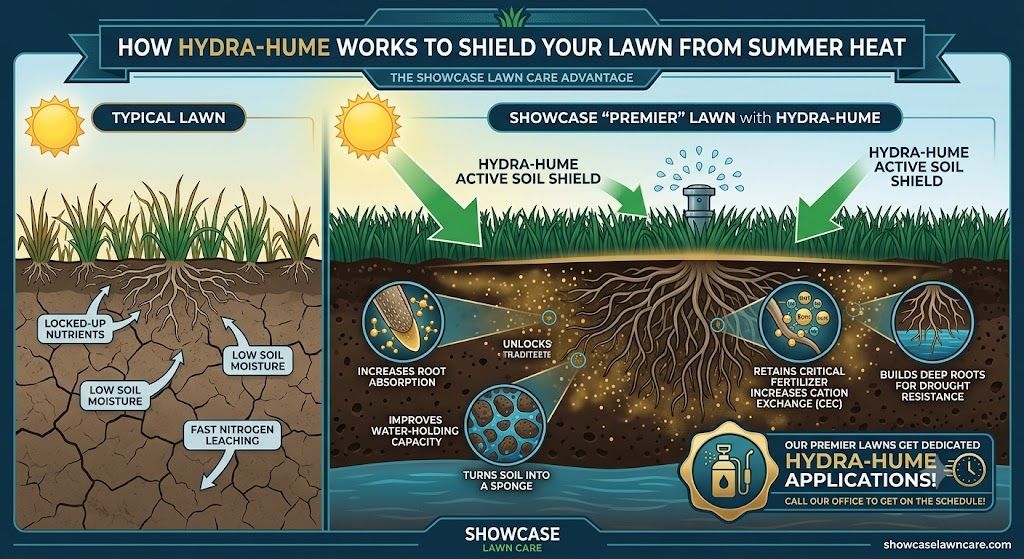
Yes, improving the porosity of your soil is one of the most effective ways to manage surface runoff and pooling. When the ground is compacted, water cannot penetrate the surface and instead sits on top or runs off into the street, carrying away expensive fertilizers and topsoil. By opening up the earth through lawn aeration, you are increasing the soil's capacity to absorb and hold moisture. This means that during heavy rainstorms, your yard acts like a sponge rather than a slide. Not only does this keep your foundation safer from water accumulation, but it also means you won't have to water as frequently during dry spells, as the moisture is stored deeper in the root zone where it is less likely to evaporate. This improved drainage is a major functional benefit that supports both the health of your grass and the overall structural integrity of your property’s exterior.
8. Creating a Lasting Foundation for Growth
Providing your grass with the care it needs requires a partner who understands the local climate and soil conditions. At Showcase Lawn Care, we are dedicated to helping our clients achieve the vibrant, healthy yards they deserve through professional and reliable service. Our team utilizes advanced equipment and proven techniques to ensure that your soil is properly conditioned for maximum growth. We pride ourselves on our attention to detail and our commitment to customer satisfaction, treating every property as if it were our own.
By choosing a specialized provider, you gain the peace of mind that comes with expert knowledge and high-quality results. Reach out to Showcase Lawn Care today to learn more about our comprehensive maintenance options and schedule your next appointment to give your home the lush, green landscape it has been waiting for.