March 5, 2026
Spring Seeding in Minnesota: Giving Grass Seed a Head Start
Spring Seeding in Minnesota: Giving Grass Seed a Head Start
Spring is when many Minnesota homeowners begin to notice the effects of winter on their lawns. Snow cover, fluctuating temperatures, and winter stress can leave behind thin turf or bare spots that need repair.
One challenge with spring seeding is that soil temperatures are still relatively cool early in the season. Grass seed placed directly on cold soil can take quite a while to germinate, which sometimes leads to uneven results.
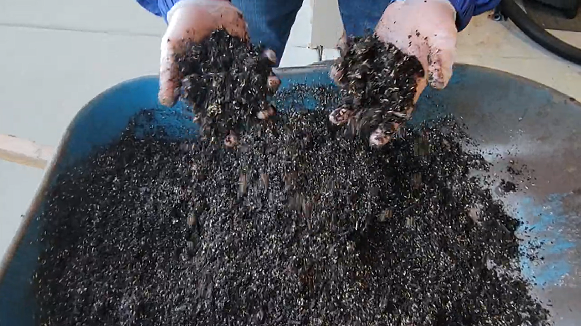
One way to help speed up that process is by pre-germinating grass seed before spreading it on the lawn. This technique allows the seed to begin the germination process before it ever reaches the soil, giving it a head start once it’s applied.
In the video below, we demonstrate a simple way to pre-germinate grass seed that can help improve spring lawn repair results.
Why Spring Seeding Can Be Difficult
Minnesota lawns often come out of winter under stress. Long periods of snow cover and cold temperatures can weaken turf, leaving behind areas that need repair once the snow melts.
Homeowners commonly notice:
- Thin turf areas
- Bare spots from winter damage
- Slow lawn recovery
- Grass that struggles to fill in early in the season
The main reason is cool soil temperatures. Grass seed needs warmth and moisture to germinate efficiently, and early spring conditions can slow that process down.
That’s one reason lawn professionals generally consider late summer and early fall the best time to seed a lawn in Minnesota, when soil temperatures are warm and weed pressure is lower.
However, spring seeding can still work well for repairing smaller areas of lawn damage.
What Is Pre-Germinating Grass Seed?
Pre-germinating grass seed simply means starting the germination process before spreading the seed on the lawn.
By soaking the seed and allowing it to begin sprouting ahead of time, you shorten the amount of time it takes for new grass to establish once it is applied to the soil.
When the seed is spread, it is already activated and ready to continue growing.
This approach can be especially helpful when repairing small bare areas or thin turf early in the season.
Choosing the Right Grass Seed for Minnesota Lawns
Not all grass seed performs the same in Minnesota. Most lawns use a blend of grasses, but each type has different strengths.
Kentucky bluegrass is generally the best option for creating dense, high-quality turf in Minnesota. One of its biggest advantages is that it spreads through underground rhizomes, which allows it to naturally fill in thin areas and small bare spots over time. This self-repairing ability is one reason Kentucky bluegrass is often the foundation of the best-performing lawns.
Perennial ryegrass germinates very quickly and is often included in seed blends to provide faster initial coverage. However, ryegrass does not spread, so it will not fill in bare areas the way Kentucky bluegrass can.
Fine fescue is sometimes used in shaded or lower-maintenance lawns. While it can tolerate certain conditions well, it typically does not produce the same dense, durable turf that Kentucky bluegrass can provide in full sun environments.
For homeowners who want a lawn that can thicken and repair itself over time, Kentucky bluegrass is usually the strongest long-term choice for Minnesota lawns.
When Spring Seeding Makes Sense
Spring seeding works best when you are repairing specific areas of lawn damage rather than trying to establish an entire lawn.
It can be helpful for:
- Filling in bare spots after winter
- Improving thin turf areas
- Light overseeding to increase lawn density
For larger lawn renovation projects, late summer and early fall are still the ideal seeding window in Minnesota.
Helping Your Lawn Recover After Winter
Minnesota lawns go through a lot each winter. Proper seeding, fertilization, and weed control can all play a role in helping turf recover and grow back strong as the season progresses.
If your lawn has winter damage, thin turf, or persistent weed pressure, a professional lawn care program can help restore healthy growth throughout the growing season.
At Showcase Lawn Care, we provide fertilization, weed control, and lawn improvement services throughout the Twin Cities metro area. Our programs are designed specifically for Minnesota growing conditions and focus on producing strong, healthy turf over the long term.
Learn more at www.lawn.pro.