March 30, 2026
Healthy, vibrant lawns require more than occasional mowing and watering. Soil composition, nutrient balance, climate conditions, and seasonal changes all influence how grass grows and maintains its color, density, and resilience. While homeowners can attempt to care for their lawns independently, professional support often leads to more consistent and lasting results. Working with a lawn fertilizing company provides structured care, expert knowledge, and long-term planning that improve lawn health year after year. Professionals understand how to match fertilizers to soil needs, schedule treatments appropriately, and integrate services such as aeration, weed control, and watering strategies. As a result, lawns not only look better but also become healthier and more sustainable over time.
Enhancing Lawn Health
The primary advantage of professional fertilization is consistent and balanced nutrient delivery. Grass requires nitrogen, phosphorus, and potassium in specific ratios to support leaf growth, root development, and disease resistance. Without proper fertilization, lawns may become patchy, discolored, or vulnerable to environmental stressors. A lawn fertilizing company develops customized fertilization schedules that match the lawn’s species, soil structure, and sun exposure. This precision ensures that nutrients are applied at the correct times throughout the growing season rather than relying on guesswork. Professional fertilization also complements services such as mowing, aeration, and overseeding, creating a comprehensive care plan that encourages stronger, thicker turf. Healthier lawns are better able to withstand foot traffic and seasonal weather changes, reducing the need for costly corrective treatments in the future.
Supporting Long-Term Soil Quality
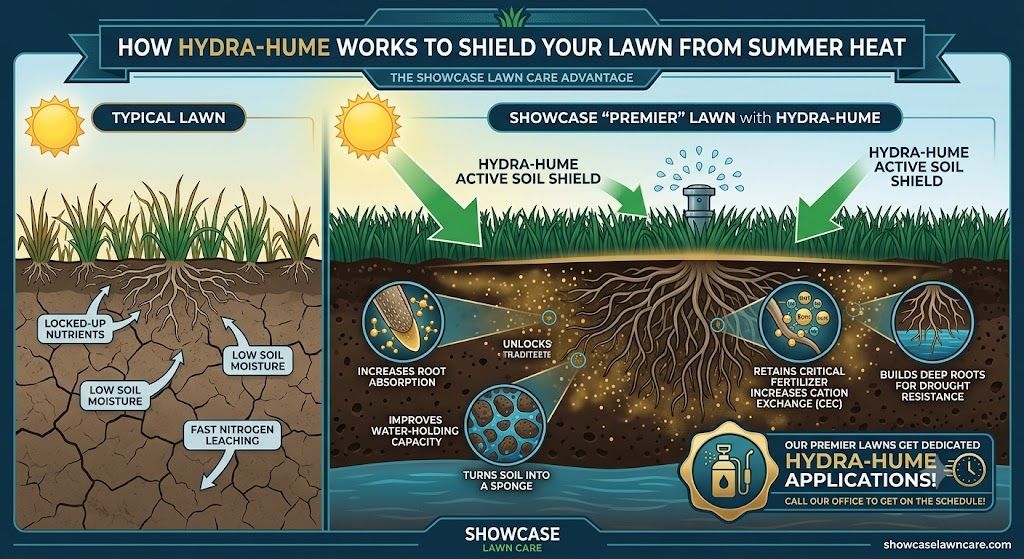
Nutrient-rich soil plays a significant role in maintaining lawn vitality. Soil can become compacted, depleted, or imbalanced due to weather, foot traffic, and natural decomposition cycles. A lawn fertilizing company evaluates soil conditions and adjusts fertilizer formulas to restore proper nutrient balance. According to Lawn Love, full-sun lawns need approximately three ounces of nitrogen per 1,000 square feet annually. Applying too little nitrogen results in weak, pale grass, while too much can damage roots and encourage disease. Professional fertilization ensures that the correct nutrient levels are maintained over time, which supports healthy microbial activity and improved soil structure. This process works especially well when combined with aeration, overseeding, and irrigation adjustments, allowing the lawn to absorb nutrients more efficiently. Over the long term, balanced soil reduces erosion, enhances water retention, and encourages deeper root systems, leading to lawns that remain lush and resilient through seasonal shifts.
Reducing Weed and Pest Pressure
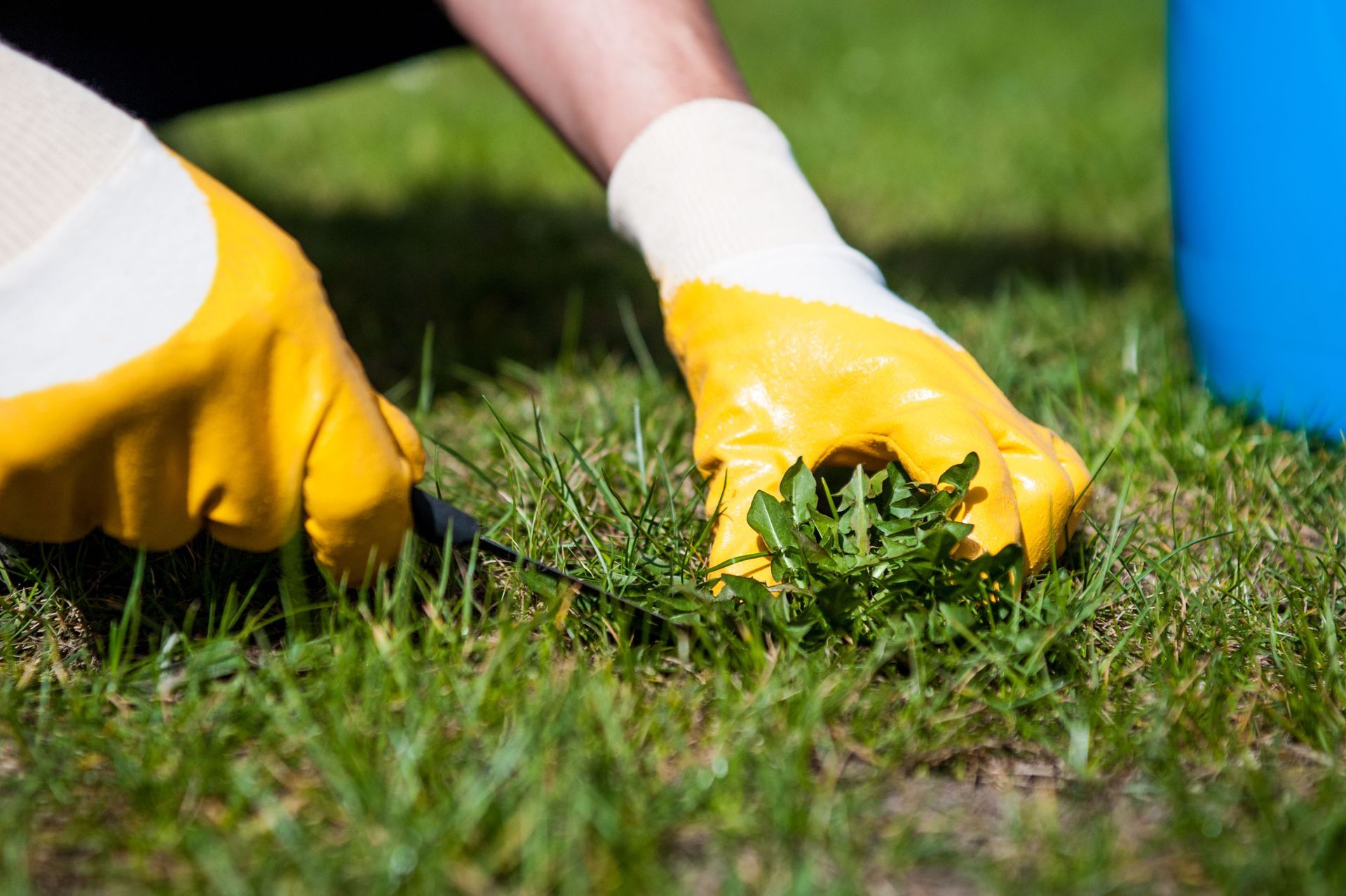
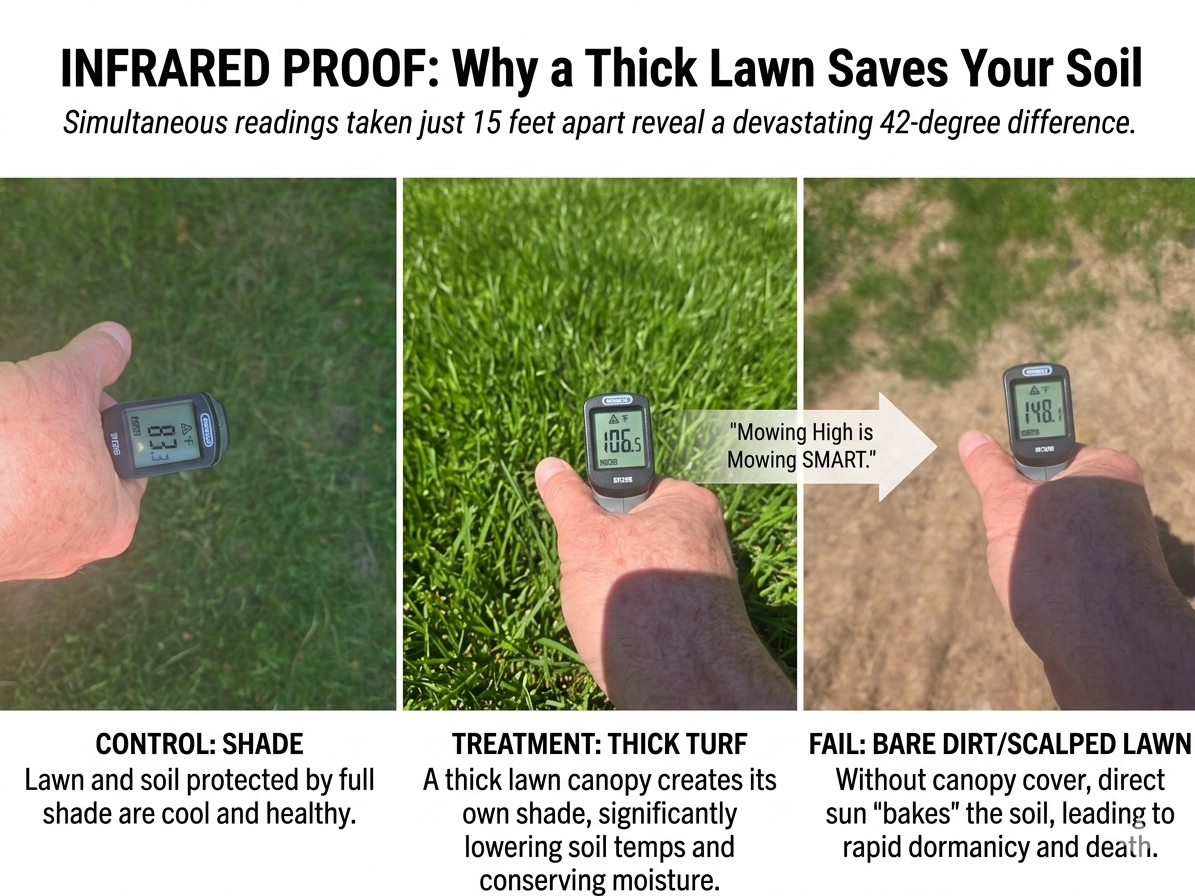
Unhealthy or nutrient-deficient lawns are more susceptible to weeds, pests, and fungal diseases. When grass is stressed, it creates opportunities for invasive plant species and insects to establish themselves. A lawn fertilizing company integrates fertilization with weed control and pest prevention to create a stronger, more uniform turf canopy. Dense, well-fed grass naturally shades the soil, making it harder for weed seeds to germinate. Additionally, professional monitoring allows early detection of potential pest or disease issues before they spread. Consistent fertilization programs maintain lawn vigor, which is essential for natural defense mechanisms. This reduces the need for reactive chemical treatments, lowering both cost and potential environmental impact. By preventing problems rather than merely responding to them, professional lawn care maintains healthier turf and preserves the aesthetic quality of outdoor spaces.
Increasing Property Value
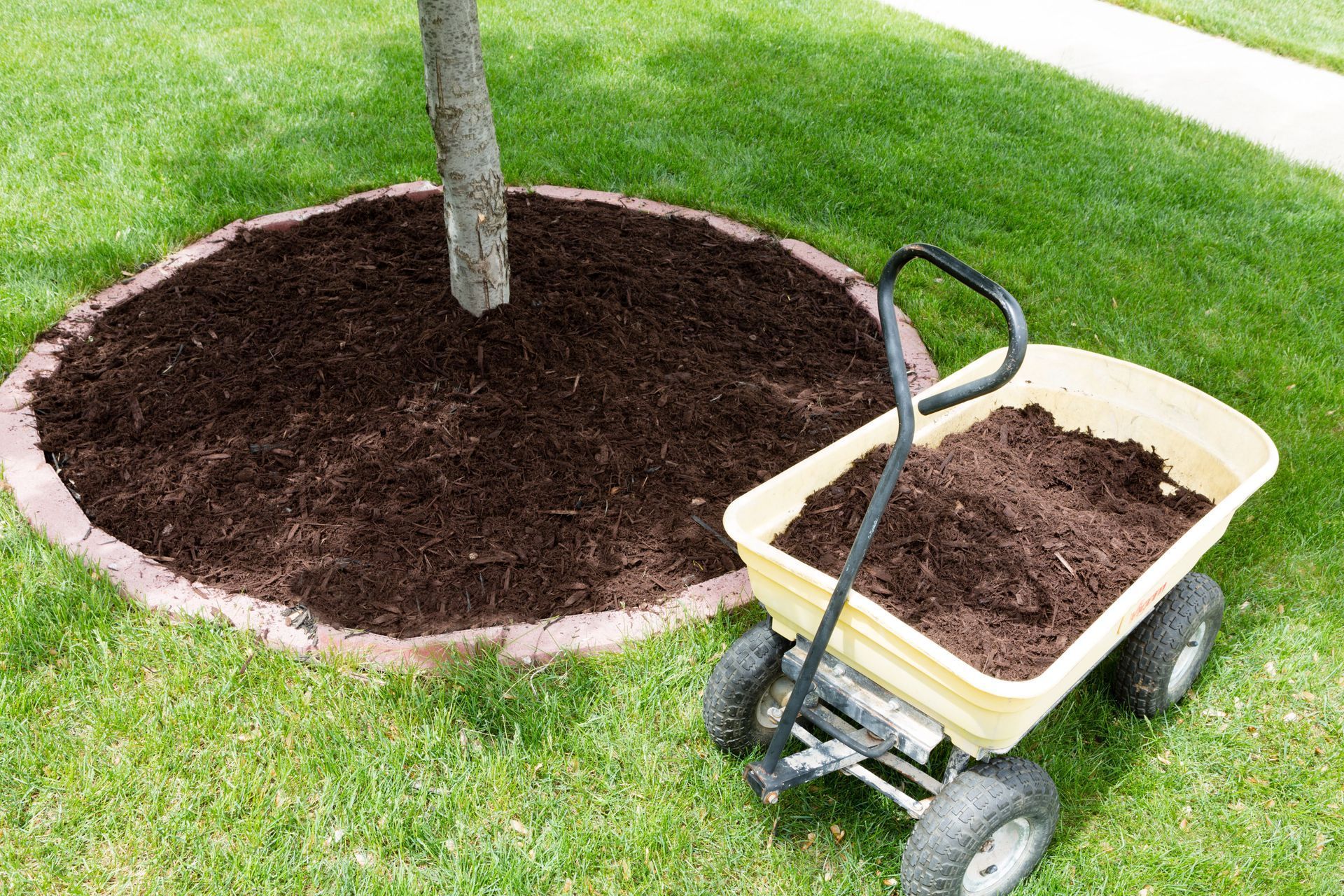
Lawns play a key role in overall property appearance and curb appeal. A well-maintained lawn enhances landscape design, strengthens the first impression of a home, and contributes to outdoor enjoyment and functionality. Partnering with a lawn fertilizing company supports broader landscape goals, as fertilization works in tandem with complementary services such as irrigation system installation and repair, mulching, edging, tree and shrub care, and seasonal cleanups. Healthy lawns also enhance the appearance of other landscape installations, such as plant beds and garden features, making them look more polished and intentional. For homeowners planning to sell, professionally maintained lawns can increase perceived property value and marketability. A property that appears cared for suggests reduced maintenance concerns for potential buyers, which can positively influence purchasing decisions.
Improving Lawn Vitality Through Expert Fertilization
The cumulative effects of professional fertilization become increasingly clear over time. Consistent nutrient management, improved soil structure, weed and pest reduction, and enhanced landscape appearance all contribute to lasting lawn health. Routine maintenance also prevents expensive restoration work that may be necessary when lawns become severely damaged or neglected. Working with a lawn fertilizing company promotes proactive care rather than short-term fixes, resulting in a sustainable approach to lawn management. When combined with regular mowing, aeration, and irrigation adjustments, professional fertilization promotes a lawn that remains lush, durable, and visually appealing throughout the seasons. Over the years, this approach has yielded a return on investment through reduced repair costs, improved property aesthetics, and increased outdoor enjoyment. Call Showcase Lawn Care today to schedule your lawn care service.